Controling Food Cost 2.0
Twelve More Tips on How to Reduce Food Cost

One major job function of professional executive chefs is to control food costs. With slim profit margins controlling food costs can make the difference between making a profit or not. There are many strategies and techniques that we use to make this happen. Some of these are very suitable for home as well and with the ever-increasing cost of food this is very important in controlling your budget at home. Here are some tips for you-
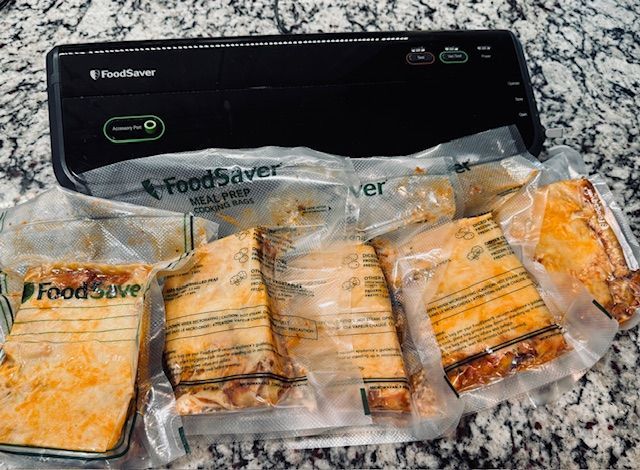
Big batch theory- Make the biggest batches of foods that can be frozen or preserved and then freeze individual portions, to save time later, with lower cost food options such as lasagnas, soups, stews, and bases like stocks, doughs and crepes.
Cross utilization – One of the strategies that chefs and restaurants use is to make dishes that cross utilize base ingredients such as mother sauces in more than one dish on the menu. The same idea goes at home and also when purchasing food staples make sure to have a plan to use them in different preparations. This way your pantry will not be full of items that you use for only one dish and then go bad after time due to infrequent use.
Preferred purchasing programs- Chefs do this by looking for companies that give additional savings on products in volume purchasing programs. At home use this plan with stores like Sam’s club or Costco to save on prices. One caution for this is to make sure you only buy items that you use often. To minimize waste of some foods that may expire or go bad if not used up in time.
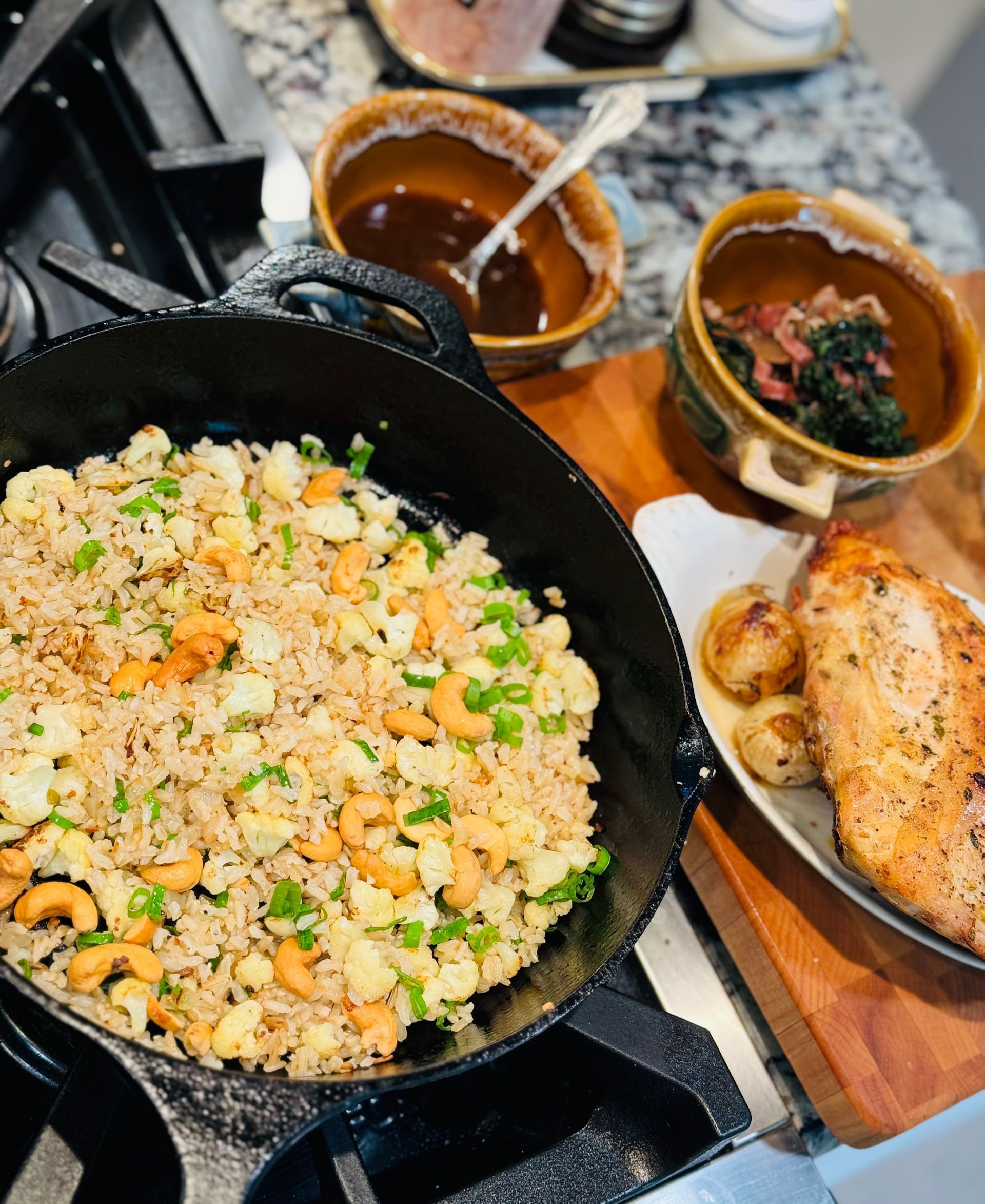
Control over production- This concept is one that is always a challenge and if done with proper planning will control waste and therefore food cost. Learn how to adjust and scale recipes to make the correct amounts that you will be serving. An example might be when cooking for only two make a half cup of rice instead of a whole cup as is often printed on the package.
Portion control- Pay attention to the proper size of portions when cooking at home. In kitchens we always weigh meats and fish and other items to make sure to be consistent and not make large cuts that will increase the food cost of the meal. An example at home would be to make sure to cut proteins in appropriate sizes of 4 to 6 ounces and to offset with larger vegetable portions and sides to cut the cost or start with a salad prior to the entrée this will also increase vegetable consumption, much needed in most Americans' diets.
Use underutilized cuts in creative ways- Learning to use the less well-known cuts from beef, pork and lamb can save you in food costs. The chuck eye of beef instead of the ribeye is one example of a more affordable steak. Learn creative ways to cook with tougher yet flavorful options from the leg, shoulder, shank etc. Braising/slow cooking then serving over tasty vegetables and starches such as polenta, cheese grits, mashed starchy vegetables such as celeriac, cauliflower and potato puree for example.
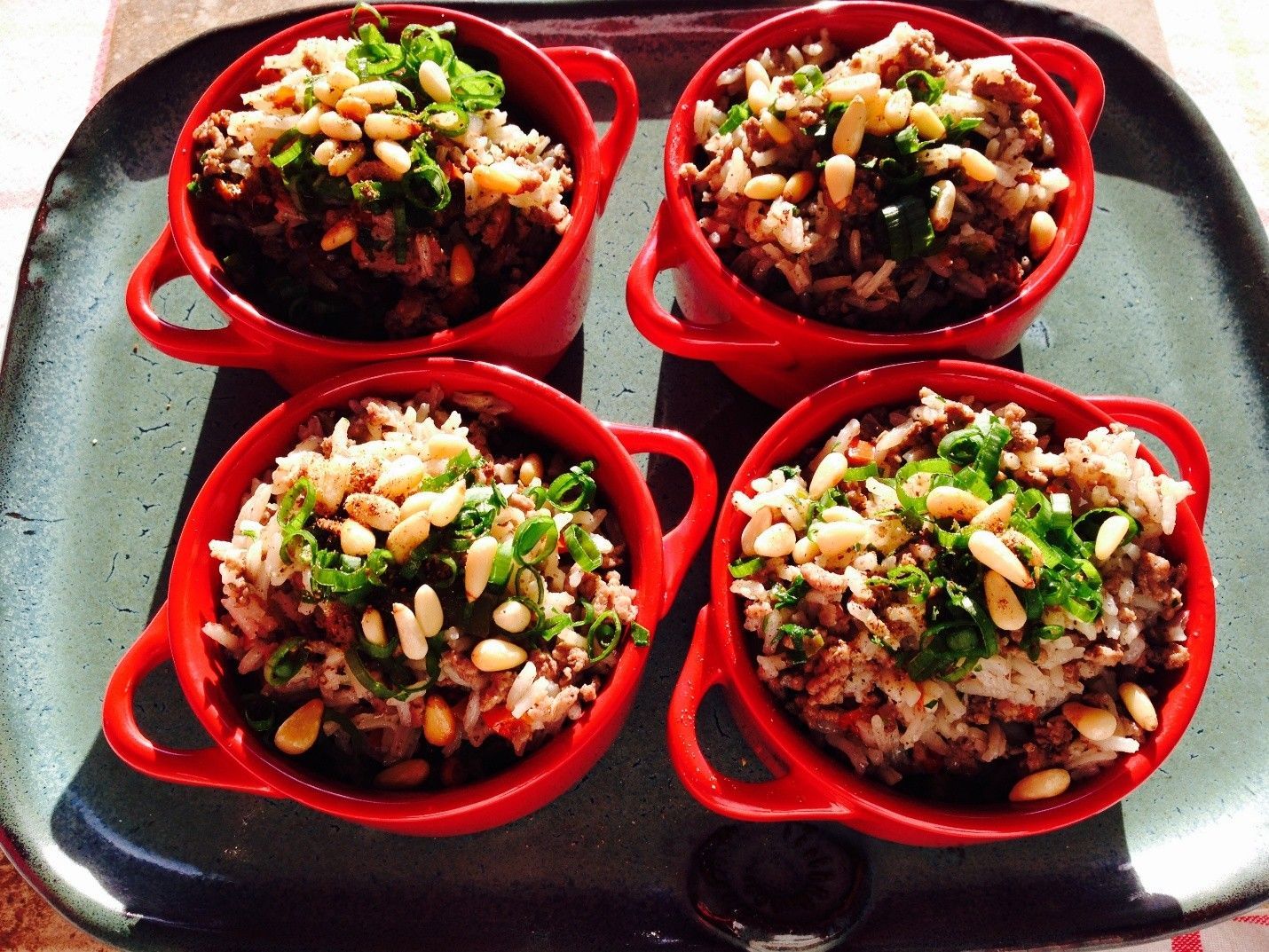
Cook with less proteins and use more nutrient dense ingredients- Cook more stir fry dishes, quesadillas, whole grain pasta and vegetables topped with thin sliced proteins and classic dishes such as beef stroganoff and paellas to cut down on expensive proteins and also add more vegetables and healthy carbohydrates to your food.
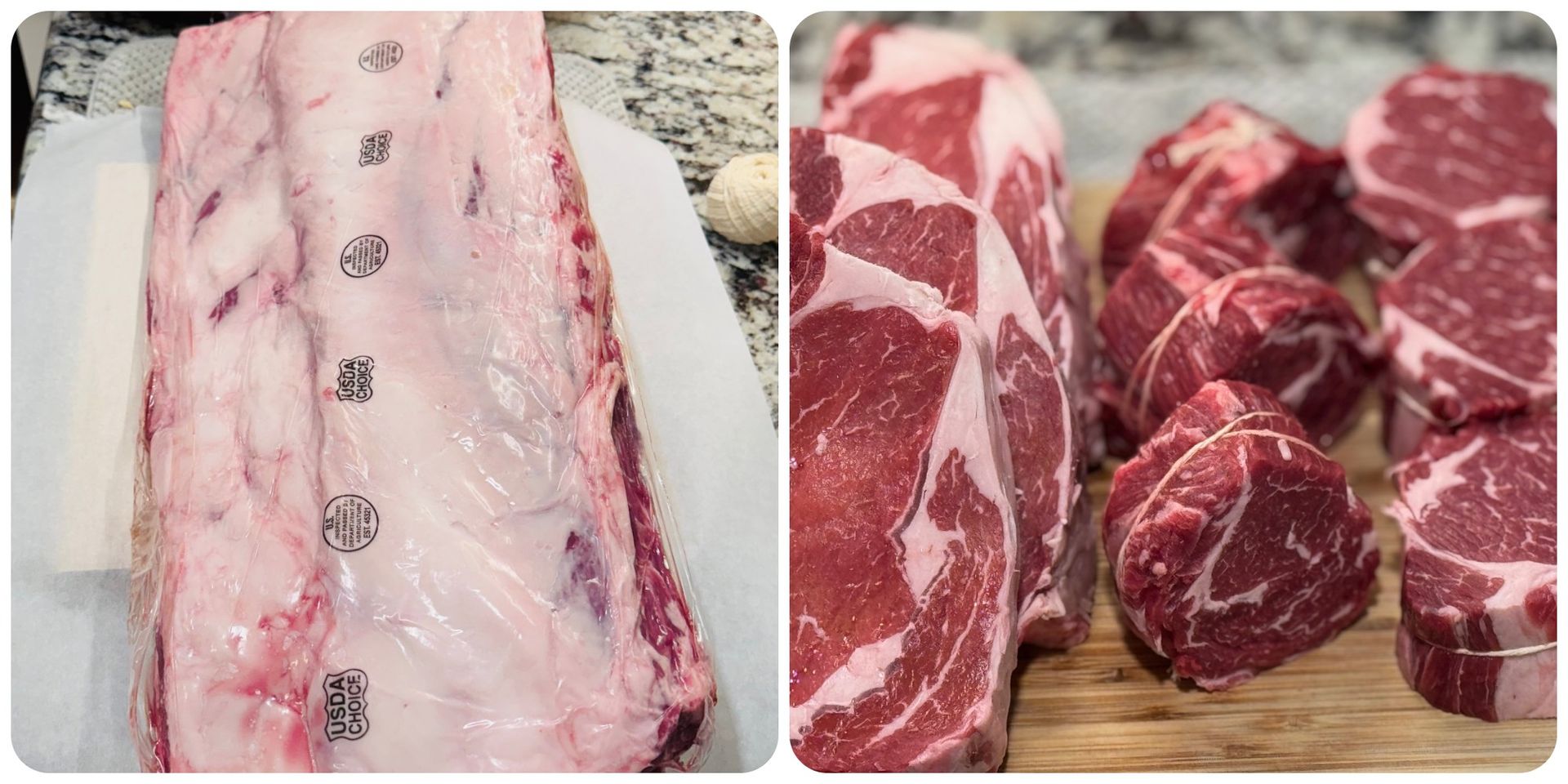
Learn to fabricate your own meat and fish- Labor costs are going up for many reasons that is why it is important to purchase whole muscle portions known as sub-primal portions of meat such as loins and legs and then cutting them up and vacuum sealing the portions will save you money. Marinating the portions prior to freezing will also save time and increase flavor once the portions are thawed for use at a later date.
Learn to use the trim – When cutting whole sub-primal pieces of meat there is excess trim such as fat, silver skin sometimes bones left over. All of these items can be used if desired in stocks, broths, au jus and rendered fat (if desired) to be used in future cooking. Rendered beef fat (sometimes called beef tallow) is making a comeback for frying potatoes and other items versus seed oils for deep frying.
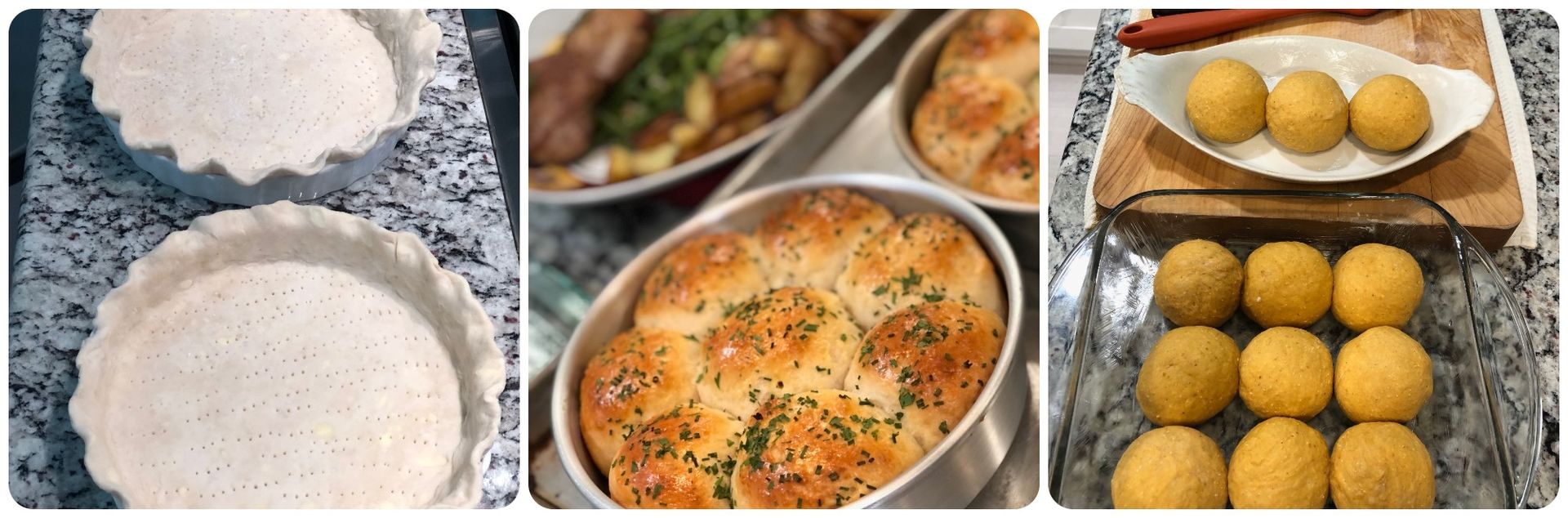
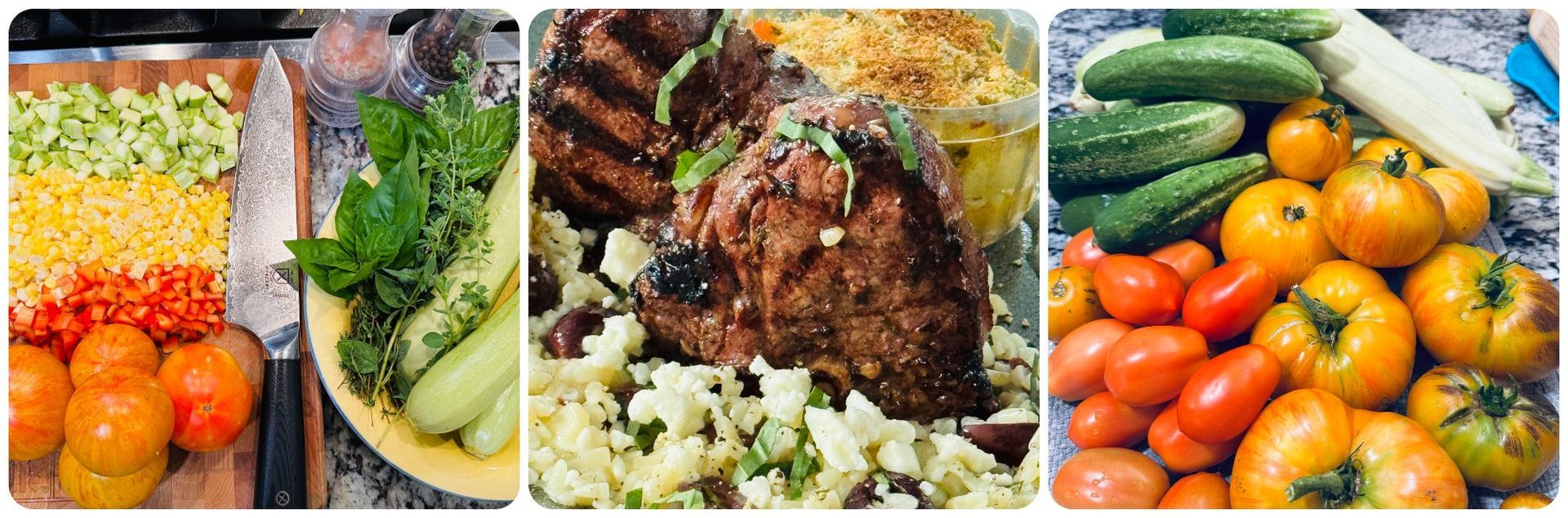
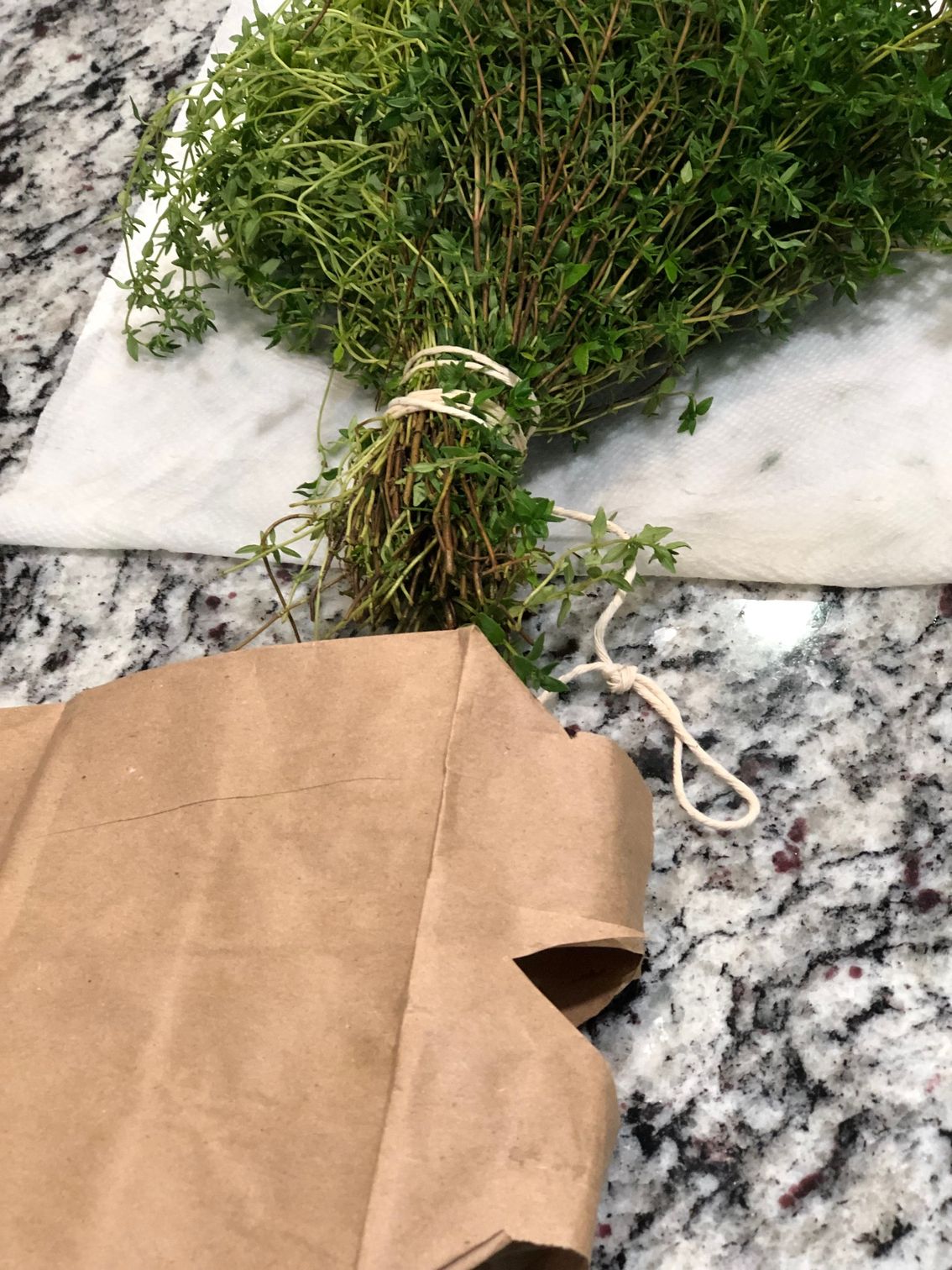
Practice how to preserve your food from the season- These techniques are ancient and were widely practiced prior to the age of modern refrigeration. I like to make large batches of sauces and pesto’s along with drying herbs for later use. Fermentation and canning are also very good ways to preserve food for later use.
Organize your food storage and refrigerator weekly- Rotate your food, label it with dates and organize your food storage often to make sure that food does not go bad. Donate old, canned goods prior to their best buy dates if needed.
Practice the 3-day theory -When I was a working executive chef, I always tried to instill the concept of the using fresh or prepared foods within a three-day period to my kitchen staff. This concept works well at home as well to save on spoilage. Use, freeze, or marinate fresh meats and seafood within this period is a good practice.
Here are some additional tips:
- Never shop hungry
- When shopping search for the loss leaders
- Compare the prices of major brand names to house brands
- Cook with family and friends
- Learning to work like a chef by cooking with efficiency in motion and meal planning
- Grow your own, herbs, vegetables and berries
- Discontinue home meal delivery services